Lab dips and shade matching
Nuchem Dyestuffs (P) Ltd. matches customer shades with Computer Colour Matching (CCM). A Datacolor 750 spectrophotometer measures the target shade, and CCM software predicts a dye recipe from Nuchem's stored dye standards, each held with its CIELAB (L*a*b*) values. Matching therefore starts from a calculated recipe instead of trial and error: in 90% of cases the shade is matched within three trials in total, assessed under D65 to a limit of ΔE below 1 and colour strength of at least 98%.
Computer Colour Matching at Nuchem
Computer Colour Matching turns colour into numbers. Nuchem Dyestuffs (P) Ltd. matches shades on a Datacolor 750 spectrophotometer, which records a colour as CIELAB (L*a*b*) values: L* for lightness, a* for green to red, b* for blue to yellow. Stored against every Nuchem dye standard, these values let the CCM software calculate the combination of dyes most likely to reproduce a target shade on cotton, viscose or other cellulosic fibre.
Starting from a calculated recipe changes what the laboratory does. The first trial is a measured correction exercise rather than a series of guesses, so fewer laboratory dyeings are needed to reach the target. Measured data also makes a recipe repeatable: the same shade can be produced again on a later order, and a bulk shade rests on the same basis as the laboratory approval.
| Instrument | Datacolor 750 spectrophotometer |
|---|---|
| Colour model | CIELAB (L*a*b*), measured and stored per dye standard |
| Dye standards in the CCM database | 53 dye shade standards |
| Match limit | ΔE below 1 and colour strength of at least 98% |
| Assessment light source | D65 |
| Success rate | 90% of shades matched within 3 trials in total (the first trial plus up to 2 CCM corrections) |
What Nuchem matches from
A match can start either from physical material measured on the spectrophotometer, or from a Pantone reference entered directly into the CCM system. Physical swatches suit buyers who already hold an approved shade; a Pantone number suits buyers working from a published colour standard. Nuchem Dyestuffs (P) Ltd. accepts all of the routes below for reactive dye matching on cellulosic fibre.
- A physical swatch of fabric or yarn — measured on the Datacolor 750
- A buyer's swatch board, such as a board for 30s cotton carrying named shades (Bright Blue, Dark Green, Dusty Pink, Sage Green, Mustard)
- A numbered shade card from a buyer or a brand
- Physical Pantone TCX swatches
- Or simply a Pantone number, entered into the CCM software with no swatch posted
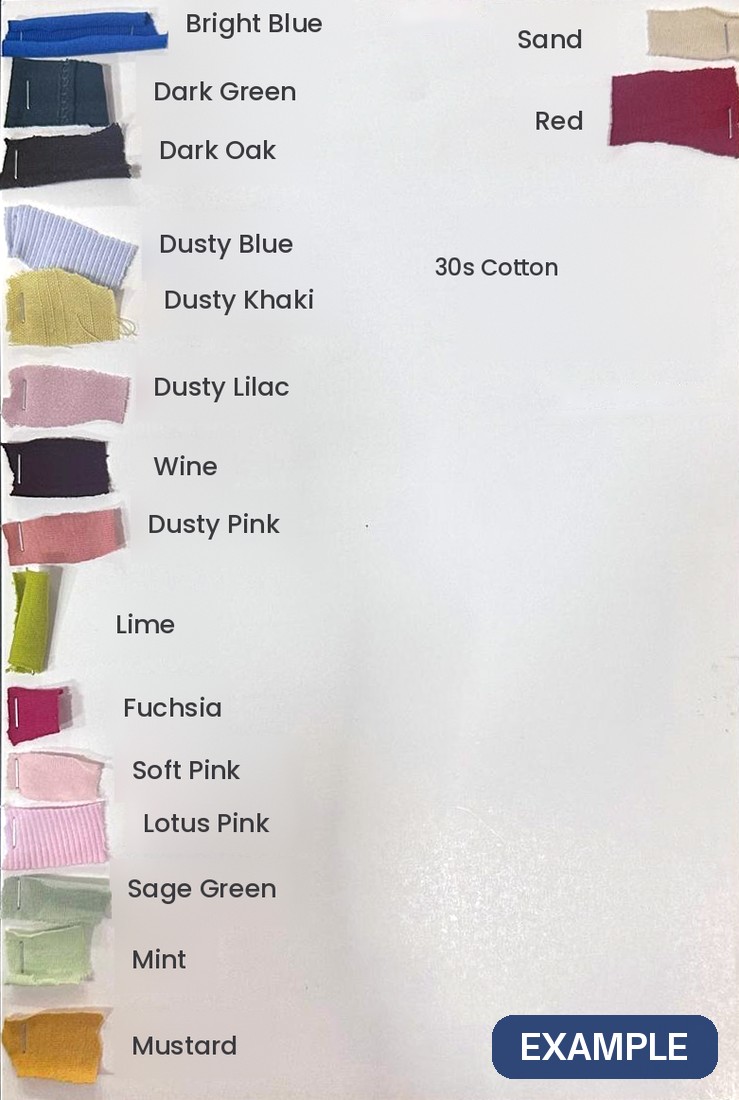
30s cotton, named shades
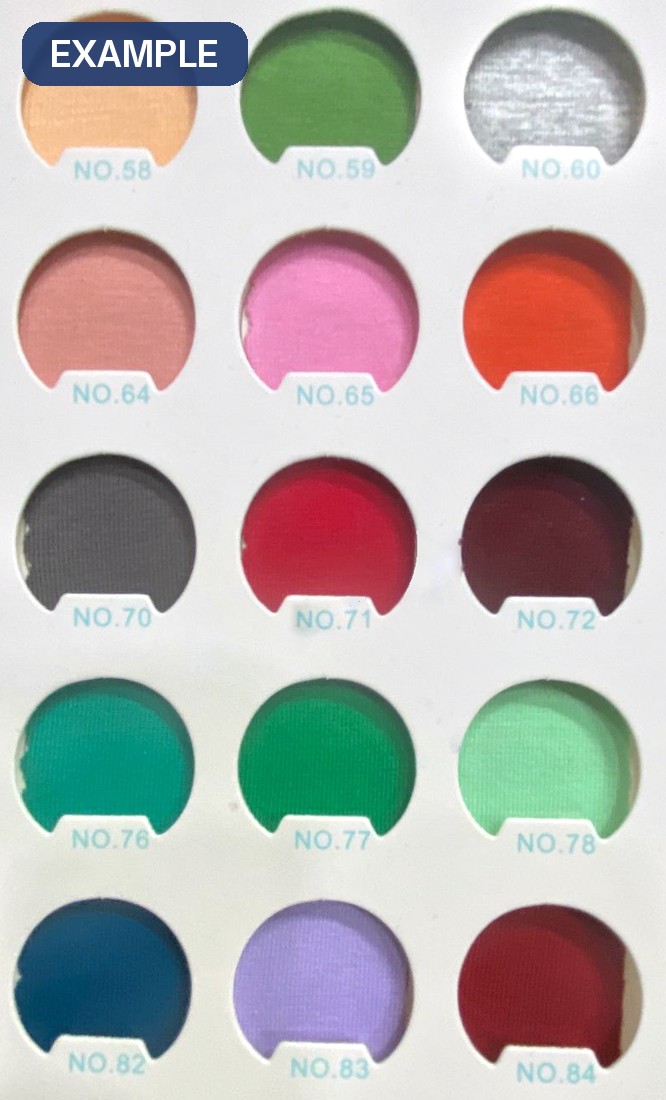
Issued by a buyer or brand
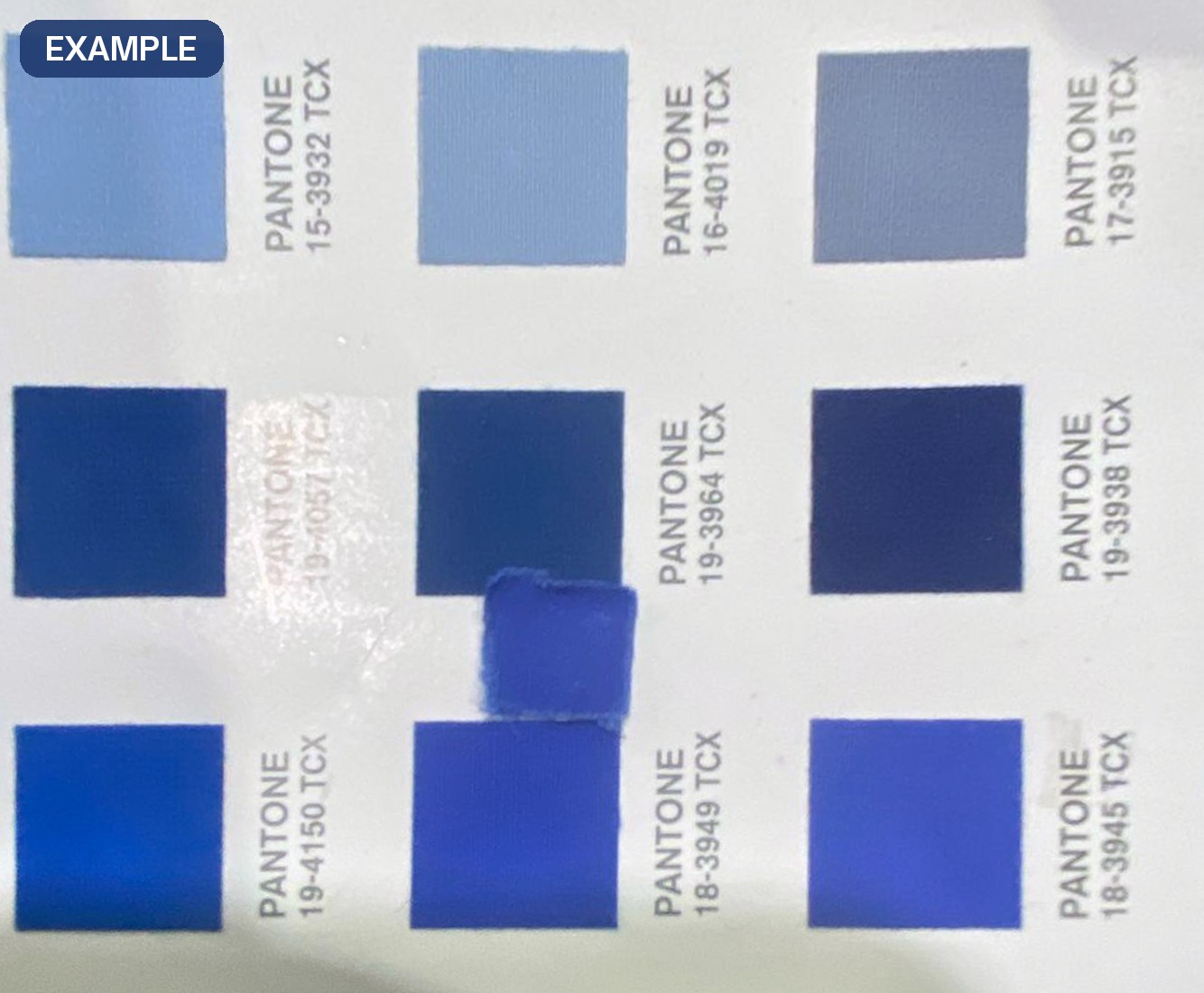
Entered by number, or posted as swatches
Example inputs: physical fabric swatches, buyer shade card, Pantone TCX references.
The CCM shade matching process
From the customer's shade to a matched laboratory dyeing, matching runs as a measured loop. Each pass through the loop replaces a guess with a measurement, which is why the correction count stays low and the final recipe can be repeated later.
- Receive the target shade. A physical fabric or yarn swatch, or a Pantone number.
- Measure the target. The swatch is measured on the Datacolor 750 spectrophotometer, or the Pantone reference is entered into the CCM system.
- Predict the first recipe. The CCM software calculates a recipe from Nuchem's stored dye standards and their L*a*b* data.
- Dye the first laboratory trial. The predicted recipe is the basis for the first dyeing.
- Measure the dyed sample. The sample is compared with the target against the match limit: ΔE below 1 and colour strength of at least 98%, under D65.
- Correct and re-try. Outside the limit, the CCM software issues a correction recipe and a re-trial is dyed. Steps 5 and 6 repeat until the shade matches — typically up to two corrections.
- Shade matched. In 90% of cases, the shade is matched within three trials in total.
What to send with a shade matching request
A complete request shortens the matching loop. The swatch itself, the light source the buyer will judge under, and the end use of the fabric all change the recipe that gets approved. Sending these details with the shade avoids a second round of correspondence before dyeing begins.
| Swatch size | At least 5 × 5 cm, or as large as possible |
|---|---|
| Substrate | Cotton fabric or yarn, with the yarn count where relevant |
| Light source for assessment | Nuchem assesses under D65. State it if the buyer judges the shade under a different source, such as TL84 or A |
| End use and fastness needs | What the fabric is for, and any wash, light or rubbing fastness requirements |
| Batch quantity | The expected bulk batch size |
Send samples to: Nuchem Dyestuffs (P) Ltd. (Head Office), 507–515 Suncor Plaza, Jashoda Nagar, CTM, Ahmedabad, Gujarat 382445, India.
Terms used in shade matching
Colour matching carries its own vocabulary, and buyers, laboratories and brands sometimes use the same word for different things. The definitions below are the ones used in Nuchem's own matching reports, so a shade approved in Ahmedabad is read the same way by a buying office elsewhere.
| CIELAB (L*a*b*) | An international system describing any colour with three numbers: L* for lightness, a* for green to red, b* for blue to yellow. Colour becomes data that instruments and software can compare. |
|---|---|
| Delta E (ΔE) | A single number for how different two colours are. The smaller the number, the closer the match. CMC 2:1 and CIEDE2000 are two widely used formulas for calculating it in textiles; both follow how the human eye sees colour difference more closely than a plain distance. |
| Colour strength | How strong the dyed shade is compared with the target or standard, as a percentage. 100% means equal strength. |
| Metamerism | When two samples match under one light but look different under another, such as daylight versus shop lighting. This is why the assessment light source is agreed before matching begins. |
| Light booth | A viewing cabinet with standard light sources, such as D65 (daylight), TL84 (store fluorescent) and A (incandescent or tungsten), so shades are checked under controlled, repeatable lighting. Nuchem assesses under D65. |
| % owf | Percentage on weight of fibre — the dye quantity in a recipe, expressed against the weight of the material being dyed. |
Matched shade examples
Real CCM matches from Nuchem's laboratory. Each Pantone match below meets the published limit — ΔE below 1 and colour strength of at least 98% — assessed under D65-10. Recipes are given as % on weight of fibre (owf).
Pantone TCX matches (passed)
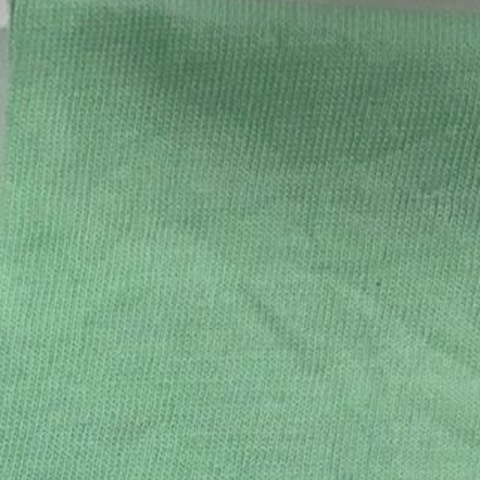
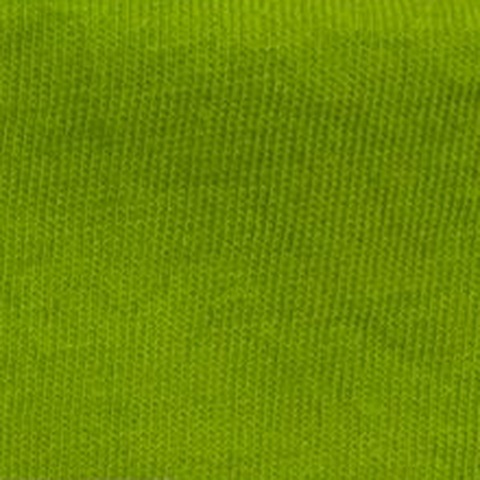
Batch L*a*b* 82.65 −18.41 6.71
ΔE 0.44 · strength 99.98%
Recipe (% owf): Cotfix Yellow ME4GL 0.012 · Cotfix Turquoise Blue G 0.046 · Ratio 20/7
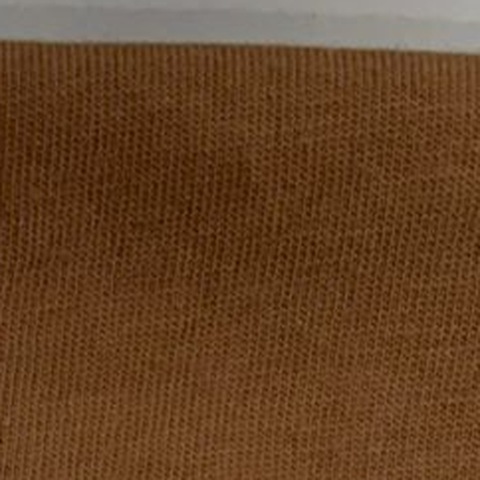
Batch L*a*b* 73.17 −26.08 69.30
ΔE 0.35 · strength 98.28%
Recipe (% owf): Cotfix Yellow MERL 0.037 · Cotfix Yellow ME4GL 1.270 · Cotfix Turquoise Blue G 0.140 · Ratio 50/5/1
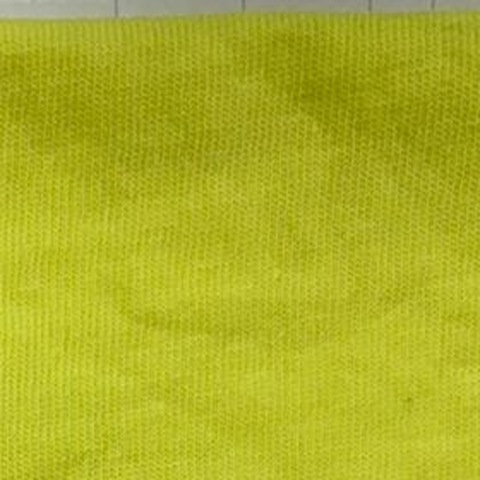
Batch L*a*b* 55.33 14.86 18.29
ΔE 0.77 · strength 100.45%
Recipe (% owf): Cotfix Yellow RGB 0.535 · Cotfix Red RGB 0.250 · Cotfix Blue RGB 0.064 · Ratio 40/5/1
Batch L*a*b* 86.80 −12.92 53.99
ΔE 0.72 · strength 102.26%
Recipe (% owf): Cotfix Yellow ME4GL 0.230 · Cotfix Turquoise Blue G 0.005 · Ratio 25/8
Cotton lab dyeings
Six cotton lab dyeings with typed Cotfix recipes, each shown as dyed with its shade name and % owf recipe.
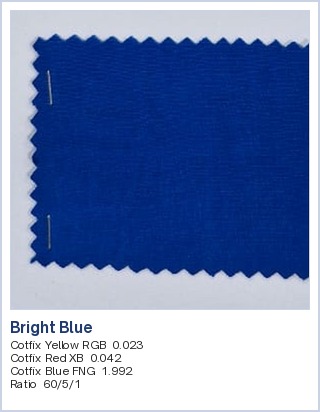
Cotfix Yellow RGB 0.023 · Cotfix Red XB 0.042 · Cotfix Blue FNG 1.992 · Ratio 60/5/1
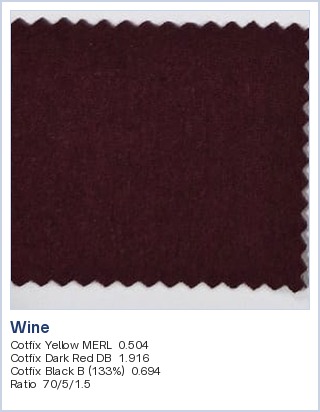
Cotfix Yellow MERL 0.504 · Cotfix Dark Red DB 1.916 · Cotfix Black B (133%) 0.694 · Ratio 70/5/1.5
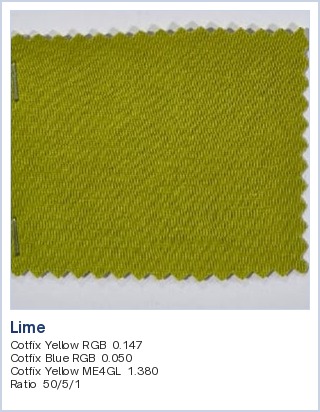
Cotfix Yellow RGB 0.147 · Cotfix Blue RGB 0.050 · Cotfix Yellow ME4GL 1.380 · Ratio 50/5/1
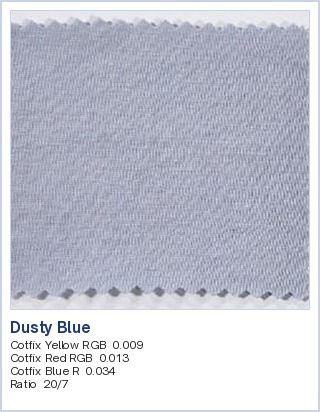
Cotfix Yellow RGB 0.009 · Cotfix Red RGB 0.013 · Cotfix Blue R 0.034 · Ratio 20/7
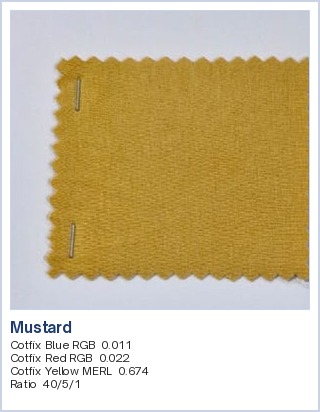
Cotfix Blue RGB 0.011 · Cotfix Red RGB 0.022 · Cotfix Yellow MERL 0.674 · Ratio 40/5/1
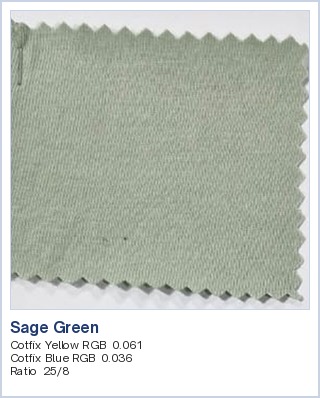
Cotfix Yellow RGB 0.061 · Cotfix Blue RGB 0.036 · Ratio 25/8
Recipes are given as % owf of each Cotfix dye and are specific to the substrate and shade stated. A recipe for one shade is not a starting point for another — the CCM database calculates each match from the target measured.
Questions about shade matching
How many trials does a shade match take?
In 90% of cases Nuchem matches a shade within three trials in total: the first laboratory dyeing from the CCM-predicted recipe, plus up to two CCM correction re-trials. Each correction follows a measurement of the previous dyeing rather than a visual guess.
What does ΔE below 1 mean?
ΔE is a single number for the difference between two colours; the smaller it is, the closer the match. Nuchem publishes a match limit of ΔE below 1 with colour strength of at least 98%, assessed under D65. A measured sample that sits inside that limit is treated as a match.
Can a shade be matched from a Pantone number only?
Yes. A Pantone reference is entered directly into the CCM system, so no swatch has to be posted. Many buyers still send a physical swatch — a buyer's swatch board, a numbered shade card, or physical Pantone TCX swatches — because a measured physical sample also confirms the substrate and the surface being matched.
Why does the assessment light source matter?
Two samples can match under one light and look different under another; that effect is called metamerism. Nuchem assesses shades under D65 daylight in a light booth, and a light booth also carries TL84 (store fluorescent) and A (incandescent). Buyers who judge under a different source should say so with the shade, so the approved recipe is judged the way the buyer will see it.
How large a swatch should be sent?
At least 5 × 5 cm, or as large as possible. Cotton fabric or yarn is measured with the yarn count where relevant, and the expected bulk batch size helps set the recipe. Any wash, light or rubbing fastness requirement for the end use should travel with the sample.
Get a shade matched
Send a swatch or a Pantone reference to Nuchem Dyestuffs (P) Ltd. and the laboratory will return a matched recipe with its measured L*a*b* values, ΔE and colour strength. Nuchem is a manufacturer and exporter of reactive dyes for cotton, viscose and other cellulosic fibres, with plants at Sayakha (Bharuch) and Vatva (Ahmedabad), Gujarat, India.
Send samples to: Nuchem Dyestuffs (P) Ltd. (Head Office), 507–515 Suncor Plaza, Jashoda Nagar, CTM, Ahmedabad, Gujarat 382445, India.
Contact: Shravan Goyal · shravan@nuchemdyestuffs.com · +91 98728 00519