 Dischargeable Dyes
16 gradesSixteen COTFIX reactive grades selected for discharge printing on cotton, viscose and other cellulosic fabrics. Each grade is shown at 2% and at 4% depth beside a discharge print made from the same dye, so a printer can judge both the ground shade and the discharged result before asking for a lab dip. Nuchem manufactures and supplies these dischargeable grades from Gujarat, India.
Which COTFIX grades are dischargeable?
Nuchem publishes sixteen COTFIX reactive grades as dischargeable: six yellows, five reds, three oranges and two blues. Discharge printing removes a dyed ground shade chemically instead of covering it, so the paste destroys the colour in the printed area and returns that area to the undyed fibre. The card reproduced here shows every grade twice — at 2% and at 4% depth — because a dye that discharges cleanly at a light depth can leave a faint ring at a heavy one, and the printed result is what a buyer needs to see rather than a rating. Solubility, rubbing, light and washing values for each grade remain in the series tables; this page publishes the discharge behaviour only.
| Dye | Shade 2% | Shade 4% | Discharge print |
|---|---|---|---|
| COTFIX Yellow ME4GL 200% | 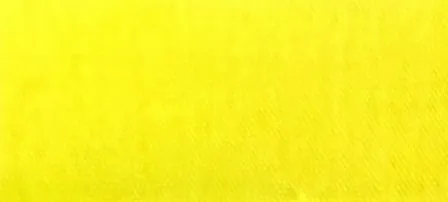 |  |  |
| COTFIX Yellow MERL 200% | 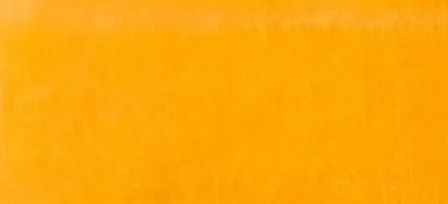 |  | 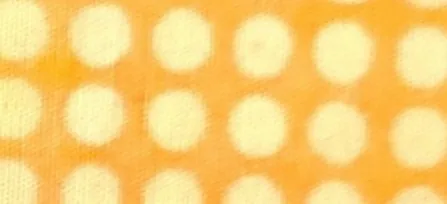 |
| COTFIX Yellow RNL |  |  | 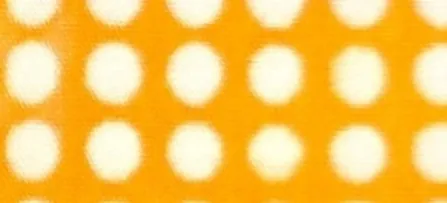 |
| COTFIX Golden Yellow R |  | 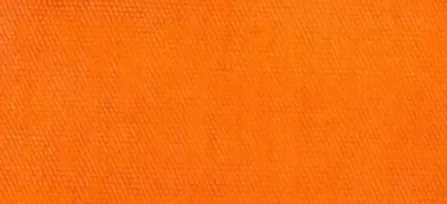 | 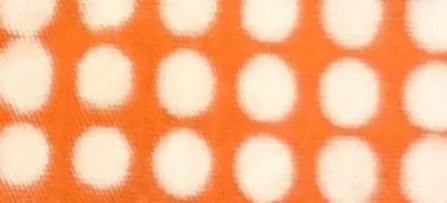 |
| COTFIX Yellow F3R |  |  | 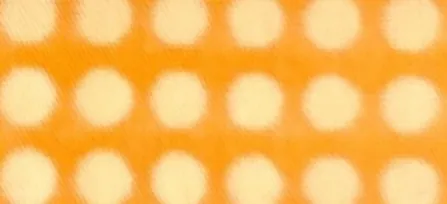 |
| COTFIX Yellow RGB | 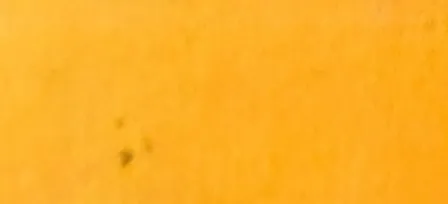 |  | 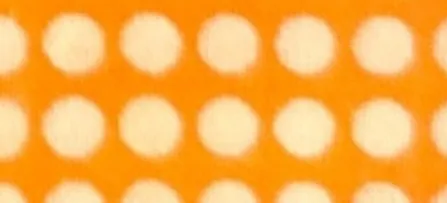 |
| COTFIX Red BB |  |  | 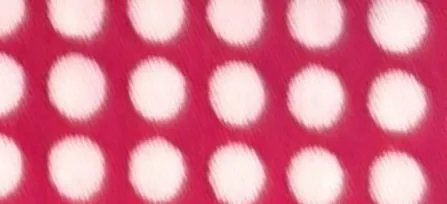 |
| COTFIX Deep Red DB |  |  | 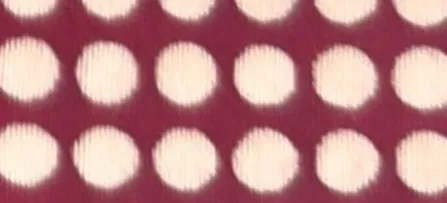 |
| COTFIX Brilliant Red 3B |  |  | 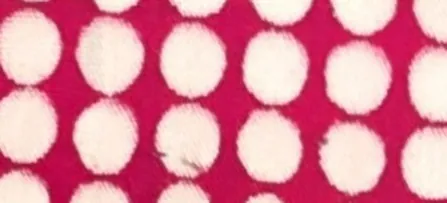 |
| COTFIX Red W3R |  |  | 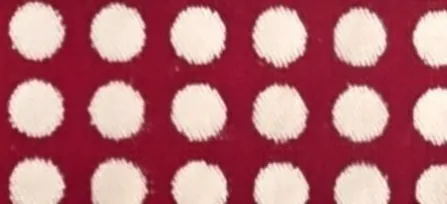 |
| COTFIX Red 5B |  |  | 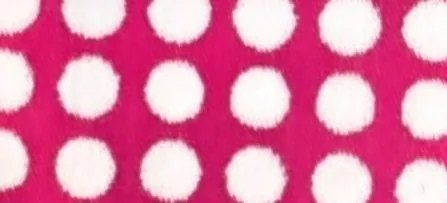 |
| COTFIX Orange 2R |  |  | 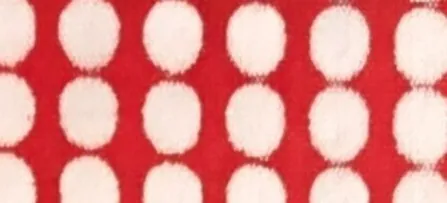 |
| COTFIX Orange 3R | 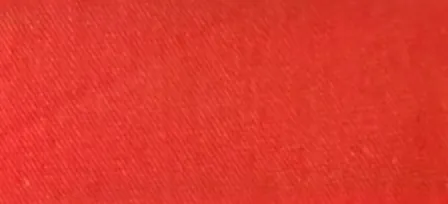 |  | 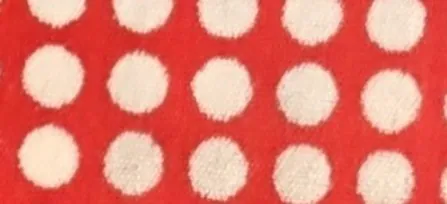 |
| COTFIX Orange W3R | 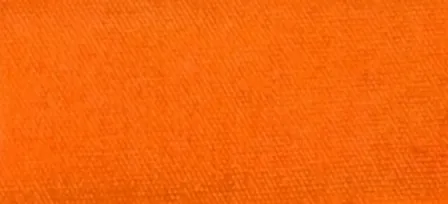 | 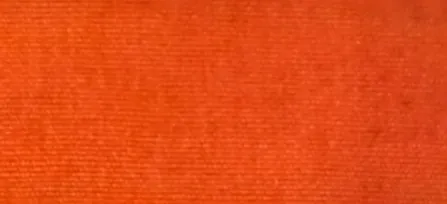 | 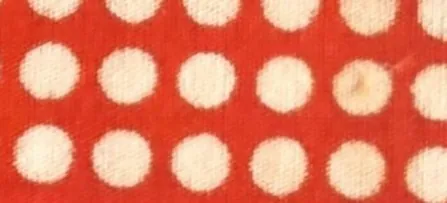 |
| COTFIX Blue BB |  |  | 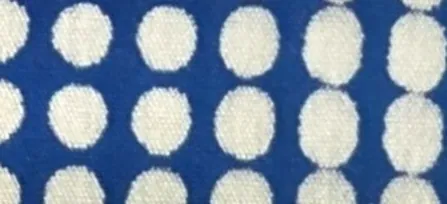 |
| COTFIX Navy Blue RGB |  |  | 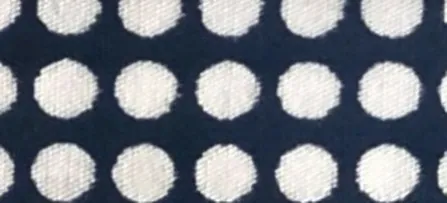 |
Swatches reproduced from the printed COTFIX reactive dischargeable shade card. 2% and 4% state the dye depth on the fabric; the discharge column shows a print made from the same depth. How the property is measured is set out in dischargeability testing.
What makes a reactive dye suitable for discharge printing?
A discharge print is judged by what is left after the paste has acted: a clean, even ground where the colour has gone, with no ghost of the original shade and no stain at the edge of the pattern. Reactive dyes differ in how completely they clear, which is why Nuchem publishes a specific selection rather than treating the whole COTFIX range as dischargeable. The sixteen grades below are the ones the printed card covers, shown at two depths so the limit of each is visible.
- Sixteen grades: yellow, golden yellow, red, orange and blue
- 2% and 4% shade swatches published for every grade
- Discharge print shown for every grade
- For cotton, viscose and other cellulosic fabrics
- Discharge behaviour published separately from fastness
For a shade outside the sixteen, ask before assuming: a grade that is not on this card has not been published as dischargeable, and the difference will show in production rather than in the lab. Send the shade and substrate and Nuchem will confirm which grade to test.
How is COTFIX consistency held, lot after lot?
A discharge result is only repeatable if the ground shade is repeatable. Nuchem runs bench testing across four QC laboratories and keeps production-lot records, so a shade approved on a lab dip can be traced back through the lots that followed it.
Datacolor 750 spectrophotometer, HPLC, Laundrometer, Crockmeter and light fastness tester across the Ahmedabad, Ludhiana, Saykha and Vatva laboratories.
QC laboratories at the Ahmedabad head office, the Ludhiana regional office, and both the Saykha and Vatva factories support the published checks.
Production-lot records are kept for traceability, and a buyer can request the applicable record for a selected grade and lot.
Need a sample or a shade match?
Share the shade, the substrate and the printing route to discuss grade selection, sample availability and the discharge result you need to reach.
Request a sample How shade matching works How dischargeability is tested